On the plate, a tortilla may seem almost insignificant. It’s slim, easy to fold, and usually disappears beneath the ingredients inside. Yet choosing the right wrap can make a noticeable difference to the nutritional balance of a dish.
If you are looking at tortilla calories, a minimal energy value does not tell the whole story. It’s whether the flatbread offers the nutritional qualities, texture, and flexibility needed for the meals you actually eat.
The Calorie Comparison That Might Surprise You
A quick search for “calories wrap tortilla” often brings up products with widely different nutritional values. Consider the figures for Mission wraps: its Wholemeal Wrap has approximately 186 calories per wrap, compared with around 125 calories for Carb Balance. These figures come from the manufacturer’s published nutrition data.
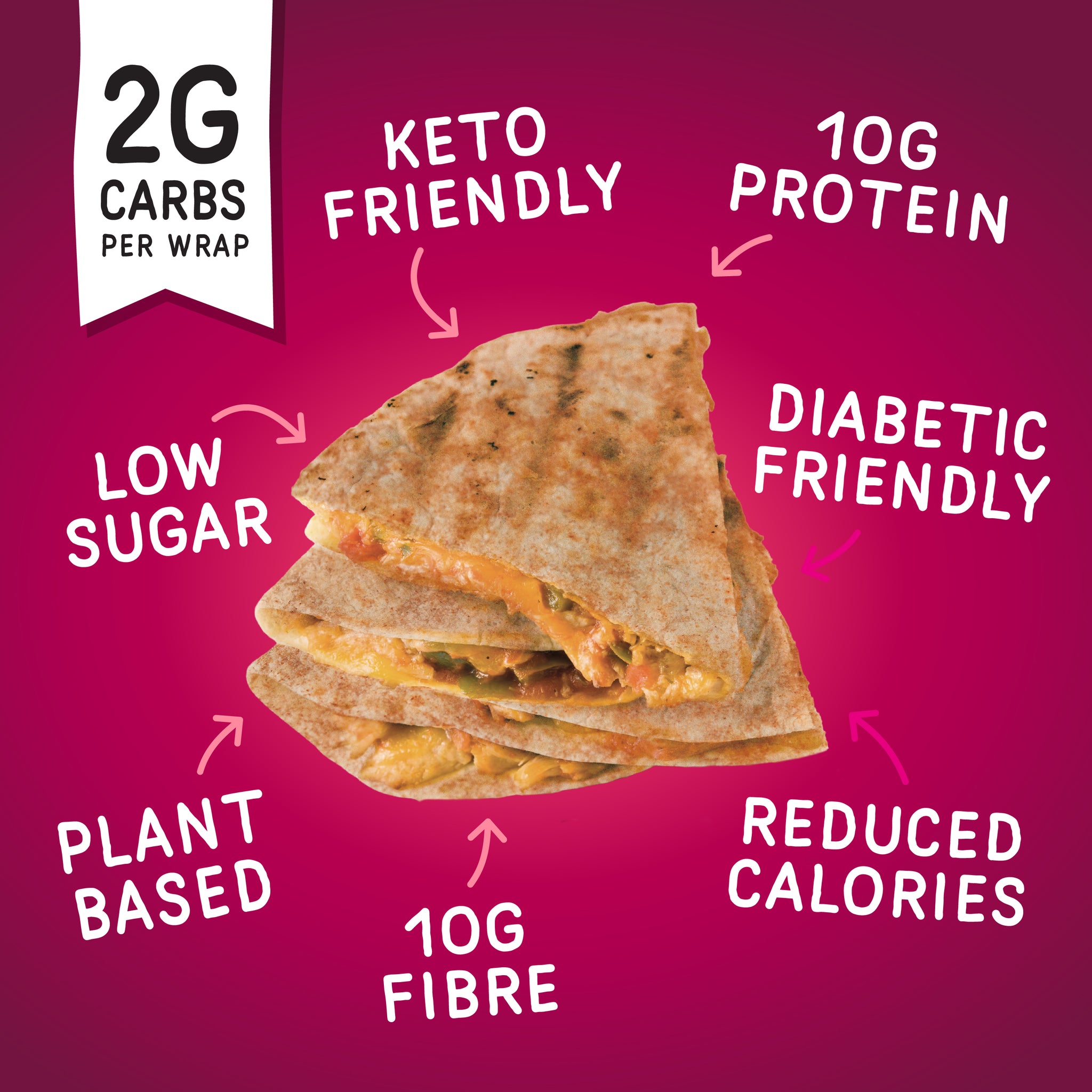
Image credit: fitbakes.co.uk
This example makes a case for looking at the specific wrap, rather than relying on general assumptions. Because wraps differ in formulation and nutritional content, you cannot judge their calorie content just by looking at them. It’s also worth remembering that a reduced-carbohydrate product isn’t necessarily the lowest-calorie option.
How a Different Tortilla Changes the Meal
Think of a lunch made with grilled chicken, roasted sweet peppers, salad leaves, and a modest amount of yoghurt dressing. Keep the sandwich filling but choose a lower-carb wrap in place of the conventional one. You still have essentially the same lunch, although its nutrition figures is different.
That is the kind of practical choice Fitbakes Wholegrain Wraps are designed to offer. The manufacturer reports just 2g carbohydrates, 10g protein, and 10g fibre per wrap.
These figures make the food item relevant to people who are managing carbohydrate intake while still enjoying bread-based meals. For the precise calorie figure, consult the complete nutrition label.
Why Protein and Fibre Are Worth Comparing
Protein and fibre are frequently mentioned together on food packaging, but they play distinct roles in a balanced diet. Protein supports normal tissue maintenance and repair. Digestive health benefits from fibre, which may additionally contribute to a more satisfying meal. Fitbakes lists 10g of protein and 10g of fibre per wrap, making each of these figures relevant to shoppers.
The rest of the ingredients inside still matters when assessing the overall meal. Vegetables and a suitable protein source produce an alternative meal from a wrap filled with rich dressings.
Tortilla Preparation: Consider the Cooking Method
You can affect the calorie count in the completed dish through how you prepare the wrap, without buying another tortilla. Toasting without oil avoids added cooking fat, while frying a tortilla in oil contributes extra calories. The manufacturer recommends around 30 seconds of light toasting for its wholegrain wraps to bring out a deeper malty note.
A simple lunch could start with a warmed tortilla filled with grilled mushrooms, spinach, and a touch of cheese. Another option is to turn the wrap into a thin flatbread with roasted vegetables, tomato, and herbs. Neither idea demands complicated techniques, yet both provide variety.
Don’t Forget the Rest of Your Lunch
As you compare tortillas, you can become focused on the label and forget about the filling.
Ingredients such as cheese, sauces, spreads, and cooking oils add to the energy total. If you’re monitoring energy intake, consider the entire meal as opposed to treating the flatbread as the only ingredient that matters.
If you’re following a low-carbohydrate diet, check the carbohydrate content of the ingredients inside as well. Looking at all the foods used helps you understand the whole meal.
Finding a Tortilla That Works for You
When comparing a calories wrap tortilla, consider whether it fits your usual recipes, supports your nutrition goals, and tastes good. Fitbakes Wholegrain Wraps offer a plant-derived, lower-carbohydrate option with protein and fibre figures reported by the manufacturer.
Check the serving size, allergen details, ingredient list, and complete nutrition label before deciding. The most practical choice isn’t necessarily the tortilla with the fewest calories on its packaging. A better choice is a tortilla that makes it easier to make meals you can enjoy regularly.