Electric vehicles (EVs) that offer the greenest, most sustainable alternative to petrol-powered vehicles transform the world of transportation. For many who are considering switching to electric vehicles but have a concern: how exactly are EV chargers used? Don’t worry, upcoming EV-drivers! This article will guide you through the most important components that form the EV Infrastructure so that you can confidently navigate the new landscape.
The Concept of the Core is: delivering energy, restoring Power
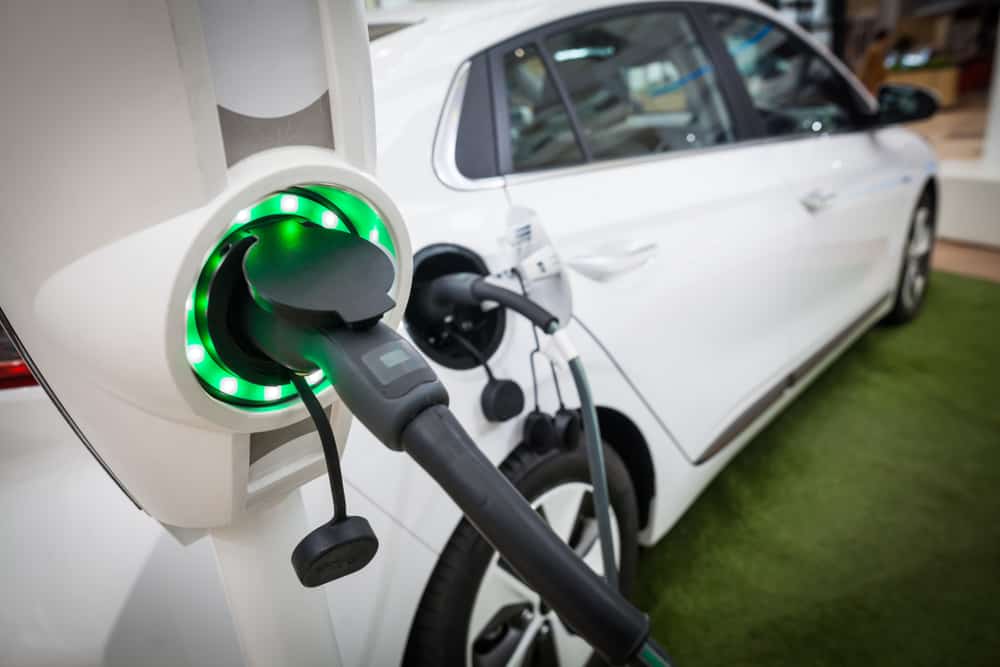
EV charging stations work on an incredibly simple concept They act as intermediaries between the electrical grid and the battery in the electric car you drive. Think of the charging station as a pump for electrons, which replenish the reserve of energy to power your EV. The procedure is easy parking your car at a charging station, connect the charging cable with a compatible plug and voila – the flow of electricity begins.
Plugging in and Compatibility Charging Rates and Charger Speeds
While the principle is similar to that of the majority of EV chargers, the plug types and charging rates will vary. The EV charging station plugs differ in configuration based on the model of the vehicle and charging standards. This is similar to the numerous fuel nozzles at gas stations. Understanding the differences is essential for a seamless charging experience.
Tesla Superchargers A System of Speed
Tesla owners have an distinct advantage thanks to a network of Tesla Superchargers strategically placed. These superchargers are created specifically for Tesla cars and offer astounding charging speeds, allowing drivers to significantly replenish their battery in a short period of time as compared to conventional charging stations. This means fewer charging stops with less wait time, and more convenience when taking long-distance trips in the Tesla.
Exploring Alternative Charging Options
Tesla Superchargers do not represent the whole EV charging ecosystem. There are a variety of charging stations that are public that are operated by different companies and work with a wide range of electric vehicles. The stations are equipped with a range of charging speeds. From Level 2 chargers that can charge faster than a home outlet, to DC Fast Chargers, the fastest charging speed comparable to a filling at the gas station.
Range anxiety is gone when you plan your trip
The anxiety of running out prior to reaching the charging station is one of the primary concerns for potential EV buyers. With the increasing number of charging stations, and the increased range of newer EVs this worry is lessening. A lot of EV models can now travel hundreds of miles on a single charge. Additionally, route planning apps can help locate charging stations on your desired route, assuring a hassle-free journey.
This is a glimpse of the technology behind the charger
The power of EV chargers is in their innovative use of technology. The primary function of the station is to convert the grid’s current alternating to DC power. This is exactly what your EV battery needs. The station is also equipped with security features as well as a communication protocol to ensure that the charging process is secure and efficient.
Charging Forward for Convenience and Accessibility
EV charging has become more easily accessible and practical. Many public charging stations have user-friendly interfaces and allow users to pay using a credit card, or through an app. In addition, certain workplaces and residential areas are putting up charging stations that permit drivers to charge their vehicles at work or at home to further increase the ease of owning an electric vehicle.
Green Grid Connection – Promoting sustainability
The proliferation of EV chargers can have significant environmental benefits. Through promoting the use of electric vehicles, which produce zero tailpipe emissions, these stations contribute to cleaner air and a more sustainable transportation system. In addition as the grid shifts towards renewable energy sources like solar and wind power, EV charging will become even more sustainable, further cutting our reliance on fossil fuels.
In conclusion, demystifying EV charging stations empowers potential EV owners to make informed decisions. The simple operation of these stations and their increased accessibility and their contribution to environmental sustainability makes them the essential elements of a future filled by efficient and clean electric vehicles. So, the next time you come across an electric vehicle charging station, keep in mind that it’s not just a simple plug but a gateway towards a cleaner, more sustainable and sustainable future of transportation.