Video is now one of the most natural ways people take in information today. A video clip of a short duration can often be more informative than a page of text. Visual content is used to browse through social media feeds, view tutorials, discover the latest product demonstrations, or even learn new techniques. It has always been about creating. Professional video was a process that required equipment, editing skills as well as patience and time. That gap is now closing with AI technology for video.
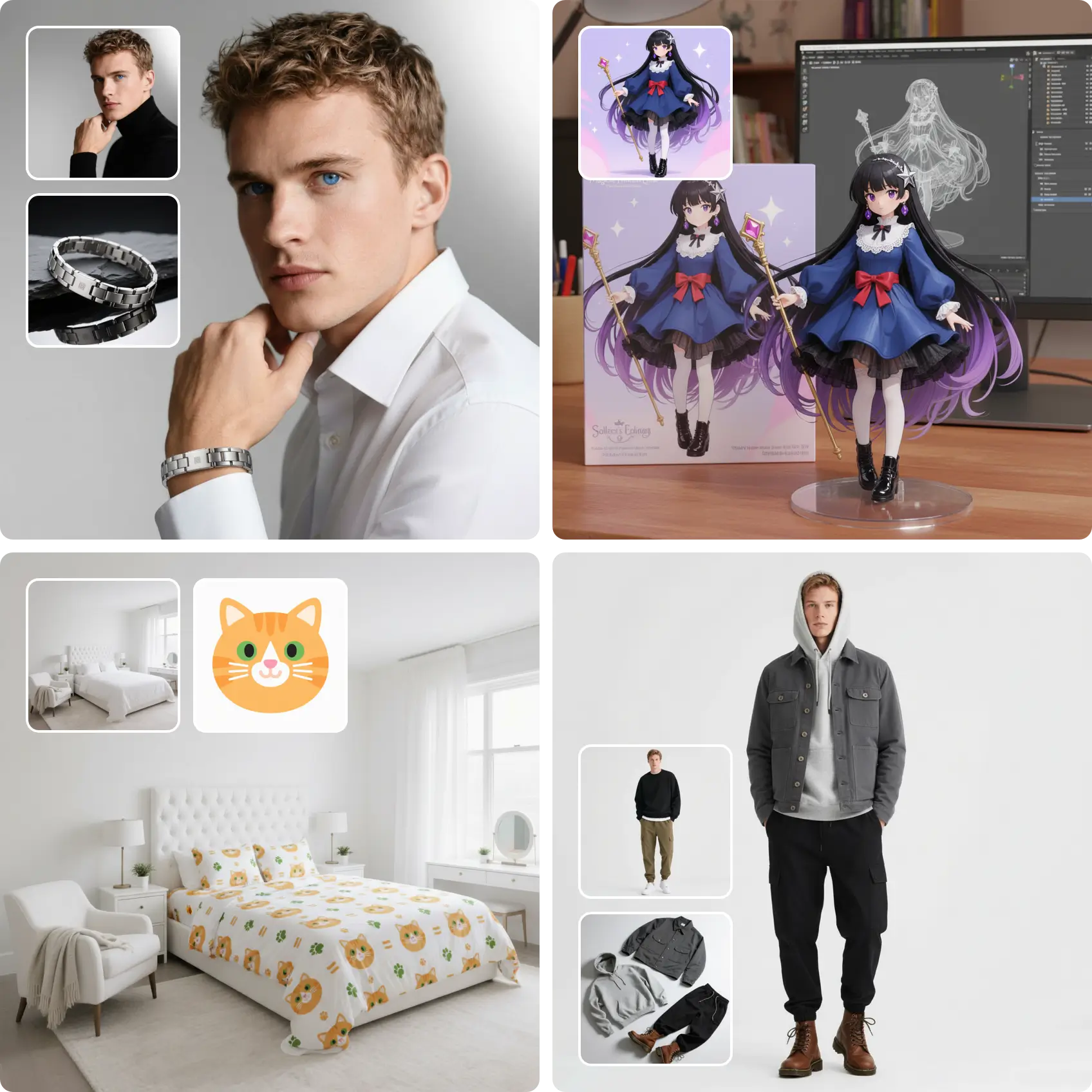
Image credit: vivideo.ai
Vivideo.ai lets anyone make professional videos without technical expertise. Rather than worrying about complex software or complex timelines, users are able to focus on what they are trying to convey. The system will take care of everything else.
Create video in a different way
Video production is a tense process. Planning, filming, editing, voice recording, exporting. Each stage required people, tools and money. A video maker AI simplifies the process by combining it into an easy process. You describe your idea. The system creates a video about your concept.
Content creators now comprise a greater number of people. Small-sized business owners make marketing videos. Teachers create lessons. Coaches may share training material. Social creators stay consistent without feeling exhausted. It feels more like writing rather than editing.
Visualizing thoughts
Text-to-video is among the most helpful features that are available today. You paste a script. The AI chooses visuals to be in line with your message. The music is played automatically. The voice narration is incorporated into the natural voice. The result is like something that used to require a full production team.
The person who is hesitant no longer. They no longer need to wait around for the right conditions. They quickly test new ideas. Based on feedback, they modify their content. They are more prolific in publishing because the barrier to entry is lower.
Make static images move
Another powerful tool is image to video. Photos are often flat on their own. AI generates flow, movement and visual timing. A few images turn into a story. An image of a product can transform into a brief promo. A slideshow can become a visual lesson.
It’s also great for online presentations in product launches and storytelling. There is no need for animation expertise. The system is able to create motion that is natural.
Editing without frustration
Traditional editing tools are a nightmare for novices. Layers, timelines, formats confuse most people. AI platforms ease this burden. Users can adjust scenes using simple controls. They change pacing. They swap visuals. They alter narration.
Subtitles automatically appear in several languages. That helps reach wider audiences. It also increases accessibility to viewers who prefer captions.
Voices that sound real
Artificial voice technology based on intelligence has advanced to the point that it is able to sound like a human. You choose to speak in a tone, language or style. The voice is suited to the message. No microphone needed. No studio setup. No Retakes.
Some platforms even include digital presenters. They are animated and can speak on the screen. They are ideal for explaining business concepts, training, or even updating the company. It feels like a personal message with no necessity for filming in real time.
Quality without compromise
AI-generated videos can be produced with high resolution. Content is compatible with YouTube, TikTok Instagram and LinkedIn. Formats are automatically adjusted. You create once. You can share it everywhere.
This saves time. This ensures that branding is identical across all platforms.
How AI video is different
The real change is not one of technical. It’s an emotional experience. They aren’t worried about tools. Their focus is on ideas. They feel confident experimenting. They are able to create in a way that is their own.
Vivideo.ai transforms video creation from a stressful process to something natural. You press. You type. You publish. The technology fades into the background.
It is not a substitute for creative expression. It eases the process. It allows people to relate stories, impart lessons and knowledge without being hindered by complex. The future of content feels lighter, quicker, and more human.