Most homeowners don’t think about the condition of their tanks for oil. But, these tanks can be crucial in ensuring safety and comfort in the home. Replacement of tanks for oil is an important investment for homeowners as it directly impacts infrastructure as well as the safety of the house.
Residential oil tanks provide an energy source that is reliable for hot water and heating systems. With time, corrosion is likely to develop, leading to leaks and other environmental dangers. Owners should evaluate the condition and the priority of their oil tanks. The need for proactive oil tank replacement is not merely a financial consideration but is an essential step to reduce environmental contamination, protect the property, and ensure that there is a consistent supply of heating oil.
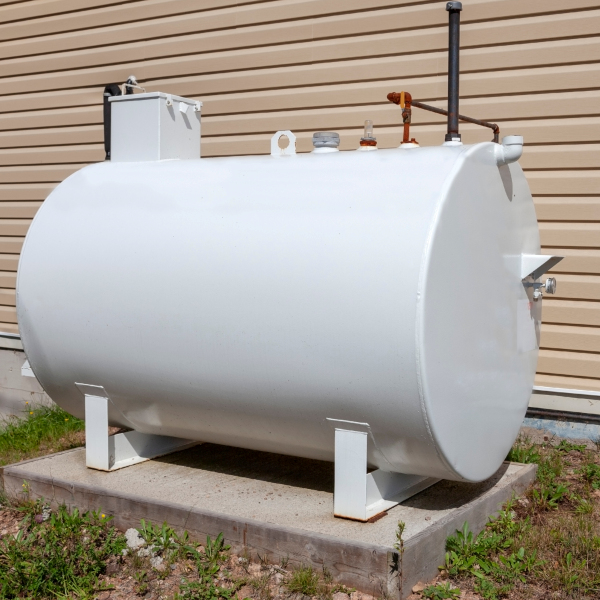
Considering the Cost
Oil tank replacement costs are a major concern for homeowners. Costs can differ based on the size of the tank, the complexity of installation, as well as other environmental requirements. Obtaining accurate cost estimates from reliable oil tank service companies is vital to budgeting effectively. It’s a significant initial investment but it’s essential to ensure safety and functionality.
Factors Influencing Replacement Costs
Various factors influence the oil tank replacement cost. The size and shape of tank, its accessibility to the location of installation, environmental remediation requirements, and compliance with safety requirements and building codes are all aspects. The homeowners must be aware of the labour and material expenses and any other upgrades that may be required. Being aware of these aspects allows homeowners to make educated decisions about the cost of replacement.
Prioritizing Environmental and Safety Considerations
The replacement of storage tanks for oil is motivated by safety and environmental security concerns. Tanks that are old and corrosion-prone can leak and present the risk of contamination to groundwater or soil. Replacement of damaged tanks can reduce environmental risks and safeguards the ecosystem around it. A strict set of safety standards are followed when installing of new tanks to prevent accidents. This ensures that household safety.
How to choose a reliable Service provider
To have a seamless, dependable replacement procedure, it’s important to select a reliable service company. The homeowner should hire licensed professionals who have experience in removal of oil tanks and installation. An expert service provider with an established track record of oil tank replacement, coupled with the commitment to environmental responsibility and safety, is the best choice. Trustworthy professionals ensure that oil tank replacement needs are handled with professionalism as well as integrity.
The benefits of a long-term investment far outweigh the initial cost.
The benefits over the long term of replacing an oil tank are more than the initial expense. Replacement of older tanks will help homeowners avoid expensive environmental cleanup and damage to property that result from leaks. The new installation of tanks offers increased safety and effectiveness, offering peace of peace of. In the end, replacing your oil tank is a proactive measure that helps protect homes, promotes sustainability and provides longevity of comfort and security.
A replacement for an oil tank is not only a financial investment it is also a necessary step homeowners should take to ensure their safety, efficiency in addition to the environmental integrity and sustainability of their houses. Homeowners can make informed choices through assessing the significance of replacing, evaluating associated costs, and prioritizing safety and environmental concerns. Through proactive maintenance and replacing damaged equipment, homeowners can contribute to the sustainability of their home and create a safer surroundings.